

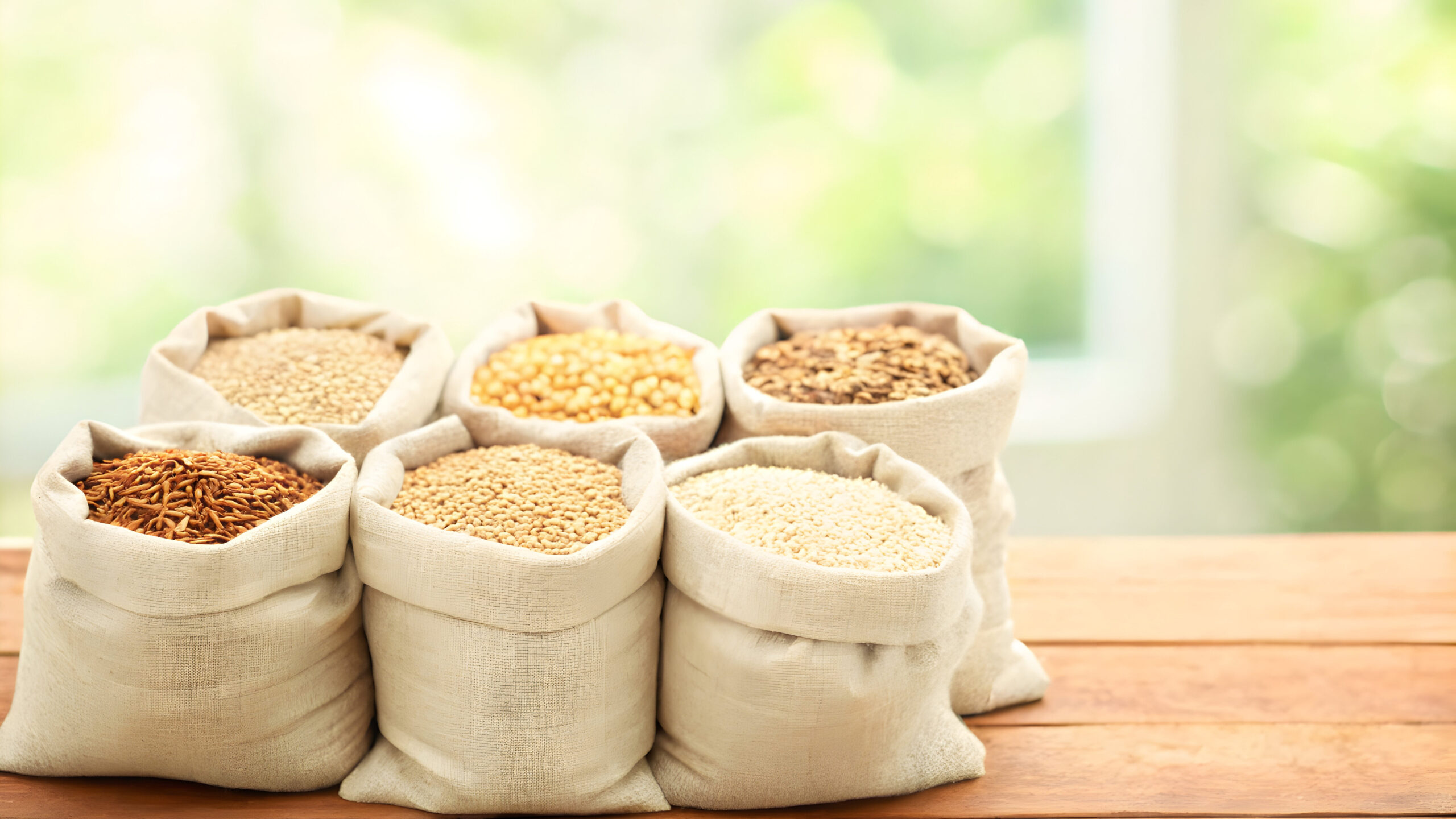
September is Whole Grain Month, making it the perfect time to take a closer look at these nutrient-packed foods and why they deserve a place on your plate. You’ve probably heard that choosing whole grains is better than refined ones, but what does that really mean and why does it matter for your health?
What Makes a Grain “Whole”?
Whole grains contain all three parts of the seed: the bran, the germ, and endosperm. This is important because when grains are refined, much of the bran and germ are removed, stripping away key nutrients like vitamins, minerals, phytochemicals, and dietary fiber. By eating the grain in its whole form, you’re getting the full package of nutrients nature intended. Examples of whole grains include oats, quinoa, barley, farro, bulgur, brown rice, and whole wheat bread.
Health Benefits of Whole Grains
Adding whole grains to your diet is more than just a nutrition trend. There’s strong science to back it up. Studies have shown that proper intake of whole grains may help lower the risk of type 2 diabetes, gastrointestinal cancers, and cardiovascular disease.
One of the biggest reasons is fiber. Whole grains provide a rich source of dietary fiber, which supports digestion, helps regulate blood sugar, promotes satiety (feeling full), and contributes to overall heart health. Unfortunately, most Americans fall short of the recommended fiber intake, making whole grains an easy way to help fill that gap.
Here are a few examples of fiber content in common whole grains:
- Bulgur, cooked (1/2 cup): 4 grams
- Whole wheat spaghetti, cooked (1 cup): 6 grams of fiber
- Old-fashioned oats, dry (1/2 cup): 4 grams of fiber
How Much Do You Need?
The recommendation for adults is to eat about 3 servings of whole grains per day (around 45 grams), or to make at least half of your total grain intake whole grains. This could look like having oatmeal for breakfast, choosing a whole grain wrap and lunch, and serving quinoa or brown rice with dinner.
Whole vs. Minimally Processed Grains
Not all whole grains look the same. While whole wheat breads and pasta are good options, try to include intact grains like steel-cut oats, farro, or quinoa when possible. Because these grains are less processed, your body has to work harder to digest them, which means slower digestion, steadier blood sugar level, and longer-lasting energy.
Whole Grains and the Gut Microbiome
Another fascinating benefit of whole grains is their impact on your gut microbiome. When your body digests these fibers, they serve as food for the “good bacteria” in your gut. A healthier gut microbiome has been linked to improved immunity, better protection against chronic disease, and even enhanced mental health.
Tips for Choosing Whole Grains
When shopping, a quick way to ensure you’re picking true whole grain products, is to check the ingredient list. The first ingredient should say “whole grain,” “whole wheat,” or list a specific whole grain like oats, brown rice, or quinoa. Be cautious of labels like “multigrain” or “made with whole grain,” as they don’t always guarantee that the product is mostly whole grain.
The Bottom Line
Whole grains are a simple but powerful addition to your diet. By providing fiber, vitamins, and minerals, and beneficial plant compounds, they support heart health, digestive health, and long-term disease prevention. New to cooking with whole grains? My favorite option is bulgur as it’s one of the easier whole grains to cook. Try this simple recipe to get started!