

Most people don’t think a tick bite could lead to a food allergy, but that’s exactly what can happen with alpha-gal syndrome (AGS). This condition can develop after the bite of a lone star tick and may cause an allergy to red meat.
So what exactly is alpha-gal syndrome? How does a tick bite cause a food allergy? And what can you eat if you’ve been diagnosed? Here’s what you need to know.
What Is Alpha-Gal Syndrome?
Alpha-gal syndrome, or “red meat allergy,” can develop after a tick bite, most commonly from the lone star tick.
Alpha-gal is a sugar molecule found in most mammals. Lone star ticks feed on mammals and can carry alpha-gal in their saliva. When one of these ticks bites a person, it can transfer alpha-gal into the body. In some people, this triggers an immune response that causes delayed allergic reactions after eating red meat and other foods that contain alpha-gal.[1]
Unlike most food allergies, which are caused by proteins, alpha-gal syndrome is caused by an immune reaction to the sugar molecule alpha-gal.[2]
Symptoms of Alpha-Gal Syndrome
One thing that makes alpha-gal syndrome unique is that reactions are usually delayed. Instead of happening within minutes, symptoms often begin 2 to 6 hours after eating.[3]
Symptoms can range from mild to severe and may include:
- Hives or itchy skin
- Swelling of the lips, tongue, or throat
- Stomach pain
- Nausea, vomiting, or diarrhea
- Trouble breathing
- Dizziness
- Anaphylaxis, a severe allergic reaction that requires emergency medical care
Some people may only have GI symptoms, such as stomach pain or diarrhea. This can make it difficult to recognize.
If you think you may have alpha-gal syndrome, talk with your healthcare provider or an allergist. A blood test that measures alpha-gal antibodies, along with your symptoms and history of tick bites, can help confirm the diagnosis.
Treatment and Preventing Future Reactions
There is no cure for alpha-gal syndrome. Treatment focuses on avoiding foods and products that trigger symptoms.[4]
Because reactions can be severe, your healthcare provider may prescribe an epinephrine auto-injector (“EpiPen”) if you are at risk for anaphylaxis. Always carry it with you and know how to use it. After using epinephrine, call 911 or seek emergency medical care immediately.
Avoiding future tick bites is also important. Additional bites can increase sensitivity or trigger new allergic reactions. When outdoors, wear permethrin-treated clothing, use an EPA-registered insect repellent, and check yourself, your clothing, and pets for ticks when you come inside.[5]
Can Alpha-Gal Syndrome Go Away?
For some people, alpha-gal syndrome may improve over time. Alpha-gal antibody levels can decline, especially in those who avoid future tick bites. However, recovery varies from person to person.[6]
Always talk with an allergist before trying to reintroduce foods that contain alpha-gal into your diet.
Foods to Avoid with Alpha-Gal Syndrome
Here are some of the most common foods and ingredients to avoid if you have alpha-gal syndrome.[7]
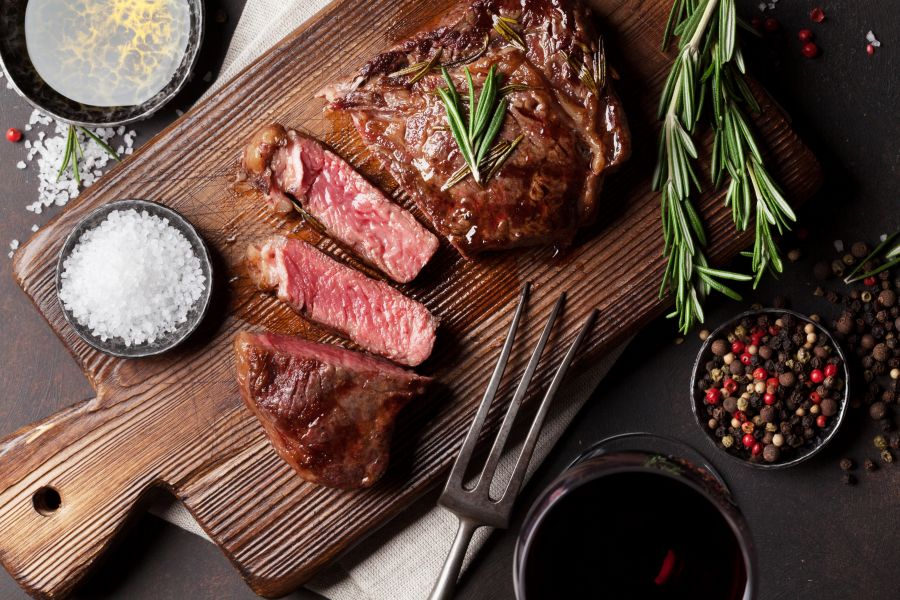
· Mammal meats: Beef, pork, lamb, venison, goat, and bison.
· Meat-based ingredients: Broths, bouillons, stocks, gravies, meat extracts, lard, and tallow.
· Gelatin made from beef or pork: Gelatin desserts, gummy candies, and some supplements or medications.
· Dairy products: Milk, cheese, yogurt, and butter may trigger symptoms in some people, but this is less common than reactions to meat.
Why Nutrition Matters
Avoiding red meat and other trigger foods can make it harder to get enough protein, iron, vitamin B12, and zinc. If you also need to avoid dairy, paying attention to calcium and vitamin D becomes even more important.[8]
With some planning, you can still meet your nutrient needs. Good sources include:
- Iron: Spinach, kale, lentils, chickpeas, white beans, kidney beans, pumpkin seeds, fortified cereals, salmon, tuna, and other seafood. Pair iron-rich foods with a source of vitamin C (such as citrus fruit, strawberries, bell peppers, or tomatoes) to improve absorption.[9]
- Vitamin B12: Fortified cereals, nutritional yeast, salmon, tuna, eggs, turkey and chicken.
- Zinc: Lentils, chickpeas, seeds, cashews, oats, black beans, salmon, sardines, turkey and shrimp.
- Protein: Lentils, beans, chickpeas, nuts/nut butter, eggs, turkey, chicken, fish and seafood.
- Calcium: Fortified plant milks, fortified orange juice, kale, collard greens, white beans and broccoli.
- Vitamin D: Fortified plant milks, salmon, mushrooms and eggs.
The Bottom Line
Alpha-gal syndrome is a food allergy that develops after a tick bite and causes delayed allergic reactions to red meat. While there is no cure, avoiding future tick bites and staying away from trigger foods can help prevent reactions.
A registered dietitian can help you build a personalized eating plan that meets your nutrition needs while helping you avoid trigger foods.

[1] Shishido AA, Wormser GP. A Review of Alpha-Gal Syndrome for the Infectious Diseases Practitioner. Open Forum Infect Dis. 2025;12(8):ofaf430. Published 2025 Jul 21. doi:10.1093/ofid/ofaf430
[2] Shishido AA, Wormser GP. A Review of Alpha-Gal Syndrome for the Infectious Diseases Practitioner. Open Forum Infect Dis. 2025;12(8):ofaf430. Published 2025 Jul 21. doi:10.1093/ofid/ofaf430
[3] https://www.cdc.gov/alpha-gal-syndrome/signs-symptoms/index.html
[4] https://aafa.org/allergies/types-of-allergies/insect-allergy/alpha-gal-syndrome/
[5] https://www.cdc.gov/alpha-gal-syndrome/managing/index.html
[6] Commins SP. Diagnosis & management of alpha-gal syndrome: lessons from 2,500 patients. Expert Rev Clin Immunol. 2020;16(7):667-677. doi:10.1080/1744666X.2020.1782745
[7] Macdougall JD, Thomas KO, Iweala OI. The Meat of the Matter: Understanding and Managing Alpha-Gal Syndrome. Immunotargets Ther. 2022;11:37-54. Published 2022 Sep 15. doi:10.2147/ITT.S276872
[8] https://extension.missouri.edu/publications/n1354
[9] Patel MN, Patel N, Maheshvari J. Efficacy of Plant-Based Iron and Vitamin C in Adults With Iron Deficiency Anemia: A Randomized, Double-Blind Clinical Study. Cureus. 2025;17(10):e95268. Published 2025 Oct 23. doi:10.7759/cureus.95268