
Are You Getting Enough?
The Dietary Guidelines for Americans recommends the following daily fiber intakes:
- Women
- Ages 19–30: 28 grams
- Ages 31–50: 25 grams
- Age 51+: 22 grams
- Men
- Ages 19–30: 34 grams
- Ages 31–50: 31 grams
- Age 51+: 28 grams
However, the average American consumes only about 15 grams of fiber per day—roughly half the recommended amount.
Fiber’s Role in Disease Prevention
Fiber does more than keep you regular. Diets high in fiber are associated with a reduced risk of several chronic conditions, including:
- Type 2 diabetes
- Colorectal cancer
- Heart disease and stroke (thanks in part to its ability to lower LDL—or “bad”—cholesterol)
Fiber and a Healthy Weight
Increasing your fiber intake can support healthy weight management in multiple ways. Fiber-rich foods help increase satiety, meaning they help you feel full longer after eating, which can naturally reduce calorie intake throughout the day. In fact, individuals who consume adequate fiber tend to weigh less over time compared to those with lower fiber intake.
One study published in Annals of Internal Medicine (2015) found that people who simply focused on increasing fiber intake lost weight at rates similar to those following more structured, complex diet plans.
Why Whole Foods Matter More Than Supplements
While fiber supplements might seem like a quick fix, they don’t offer the full range of benefits that fiber from whole foods does. Whole food sources—like fruits, vegetables, legumes, whole grains, nuts, and seeds—deliver additional nutrients including essential vitamins, minerals, and antioxidants.
They also feed the beneficial gut bacteria that support your digestion, immune system, and even mental health. Not all fiber supplements are created equally, and their effects can vary from person to person. Prioritizing real food is your best bet for getting the full benefit.
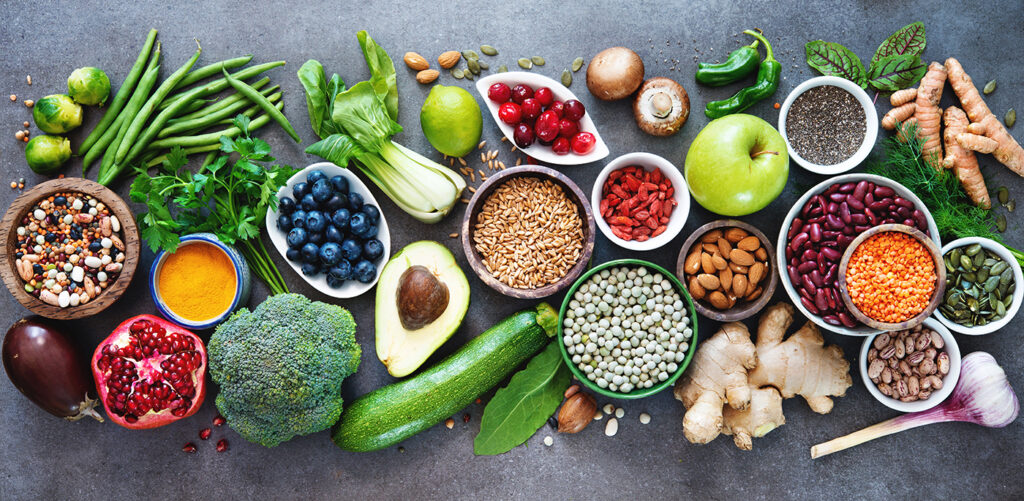
11 Foods High in Fiber
- Raspberries- 8 grams per cup
- Blackberries- 7.6 grams per cup
- Chia seeds- 4.1 grams per 1 tbsp
- Pumpkin seeds- 5.2 grams per ounce
- Navy beans, cooked- 9.6 grams per 1/2 cup
- Lentils, cooked- 7.8 grams per 1/2 cup
- Sweet potato, cooked- 6.3 grams per cup
- Broccoli, cooked- 5.2 grams per cup
- Avocado- 5 grams per 1/2 cup
- Kale, cooked- 4.7 grams per cup
- Rolled oats, dry- 4 grams per 1/2 cup
A Day of Fiber: What 30+ Grams Looks Like
Here’s a sample high-fiber day that meets the recommended intake for most adults:
Breakfast:
Overnight oats made with ½ cup rolled oats (4 g), 1 tbsp chia seeds (4 g), and ½ cup raspberries (4 g) – 12 grams
Lunch:
Quinoa bowl with ½ cup cooked quinoa (2.5 g), ½ cup black beans (7.5 g), mixed greens, and chopped veggies – 10 grams
Snack:
A medium pear (5.5 g) with 1 tbsp almond butter (1.5 g) – 7 grams
Dinner:
Grilled salmon with a side of roasted Brussels sprouts (1 cup = 4 g) and 1/2 sweet potato (3 grams) – 7 grams
Total: ~36 grams
Bottom Line
Prioritizing fiber-rich whole foods in your daily routine is one of the simplest and most impactful steps you can take for long-term health—supporting digestion, heart health, blood sugar balance, and even weight management. By making small, intentional choices each day, you can easily meet your fiber needs and feel the benefits from the inside out.
- U.S. Department of Agriculture and U.S. Department of Health and Human Services. (2020). Food Sources of Dietary Fiber. In Dietary Guidelines for Americans, 2020–2025. Retrieved from https://www.dietaryguidelines.gov/resources/2020-2025-dietary-guidelines-online-materials/food-sources-select-nutrients/food-sources-fiber
- Annals of Internal Medicine, “Comparison of a Diet With and Without Fiber for Weight Loss in Overweight Adults,” 2015.
