
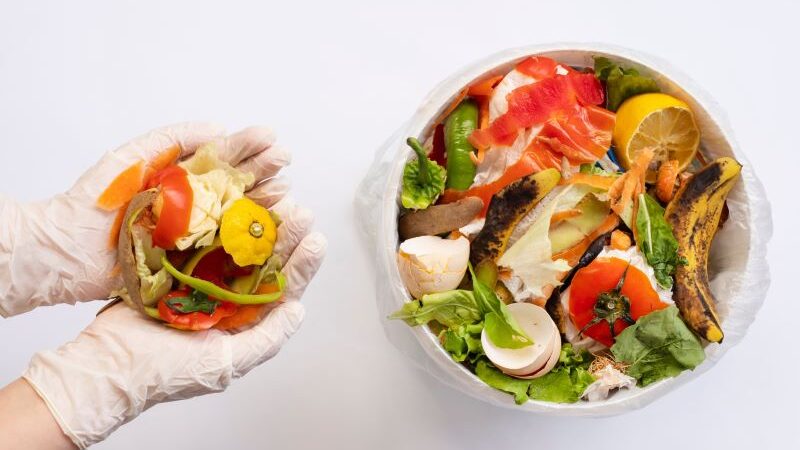
Nearly one-third of the world’s food is waste annually, fueling greenhouse gas emissions, deforestation, and biodiversity loss. Reducing food waste conserves resources like water and energy, addresses food insecurity, and cut costs. As sustainability becomes increasingly vital, understanding the hierarchy of food recovery offers a clear approach to minimizing waste. This guide outlines six key strategies, ranked from most to least effective to help reduce food waste’s environmental impact.
1. Source Reduction
Source reduction, which is the top priority, refers to minimizing food waste at its origin, before it’s even created. Efficient planning, purchasing, and storage in homes, restaurants and foodservice can significantly cut waste. For businesses waste audits and inventory tracking help make smarter purchasing decisions. Grocery stores can forecast demand to prevent overstocking. By preventing waste at the source, resources are conserved, reducing the need for further recovery or disposal measures.
2. Feed Hungry People
When surplus food is still edible, the best option is to feed the hungry. Donating to shelters and food banks reduces waste and helps those in need. “Good Samaritan” laws protect businesses, encouraging donations from restaurants, stores, and events instead of discarding usable food.
3. Feed Animals
Food unfit for human consumption can still be used to feed animals, the third tier in food recovery. Scraps like vegetable trimmings and stale bread provide nutritious feed for livestock, reducing waste. Farmers and pet food makers have long used this method to cut costs, and larger operations can partner with local farms for responsible disposal.
4. Industrial Uses
When food is no longer suitable for humans or animals, it can be used for industrial purposes like energy and fuel production. Fats, oils, and grease can become biofuels, while anaerobic digestion turns waste into biogas, a renewable energy source. This reduces landfill waste, helps produce clean energy, and supports a circular economy by transforming food waste into valuable resources.
5. Composting
Composting, the fifth tier in food recovery, returns nutrients to the earth by turning food scraps like peels and stems into rich soil, improving soil health and reducing fertilizer use. While valuable, composting should be considered only after higher priority options. It can be done at home, in gardens, or at commercial facilities, with many municipalities offering compost collection to help divert waste from landfills.
6. Landfill
Sending food waste to landfills is the least preferable option, as it generates methane- a potent greenhouse gas- and wastes valuable resources like water, energy, and labor. This option should only be a last resort due to its environmental impact. Unfortunately, many areas still rely on landfills for food waste. By prioritizing other recovery methods, we can significantly reduce the amount of waste that ends up in landfills and mitigate its harmful effects.
